
The psychology behind high-stakes casino decisions
The thrill of risk-taking
At the heart of high-stakes casino decisions lies the inherent allure of risk-taking. Gamblers often find themselves drawn to the adrenaline rush that comes with wagering significant amounts of money. This thrill can stimulate the brain’s reward system, releasing dopamine and creating an enjoyable experience that can overshadow the potential for loss. As players engage in high-stakes games, the excitement escalates, influencing their decision-making processes and encouraging bolder bets. Moreover, many enthusiasts turn to resources such as nordicbridges.ca for insights on risk and strategic approaches.
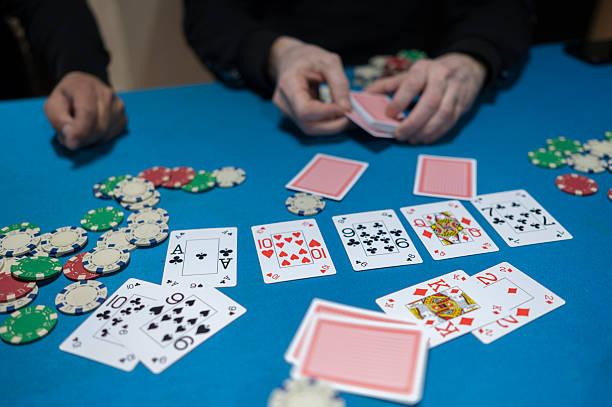
The psychology of risk also involves the concept of loss aversion, where individuals are more motivated to avoid losses than to acquire equivalent gains. This can lead to irrational betting behaviors, such as chasing losses or doubling down in hopes of recouping previous bets. Understanding these psychological triggers is crucial for both players and casino operators, as they shape the gambling landscape and influence consumer behavior.
The impact of cognitive biases
Cognitive biases play a significant role in how players make decisions in high-stakes environments. Factors such as the availability heuristic, where individuals rely on immediate examples that come to mind, can skew their perception of odds and outcomes. For instance, a player may recall a recent win and overestimate the likelihood of repeating that success, prompting them to increase their bets beyond their means.
Another common bias is the confirmation bias, where gamblers focus on information that supports their previous beliefs while ignoring contrary evidence. This can lead to a distorted view of their gambling strategies, reinforcing poor decision-making. Recognizing these biases can empower players to adopt more rational approaches and make informed choices, ultimately enhancing their gaming experience.
Emotional influences on decision-making
Emotions profoundly affect high-stakes casino decisions, often leading players to gamble in ways that contradict their logical thinking. Feelings of excitement, anxiety, and even anger can cloud judgment, driving impulsive behaviors. For instance, a player on a winning streak may experience a surge of confidence, prompting them to place bigger bets without considering the risks involved.
Moreover, the social environment of a casino can amplify these emotional influences. The atmosphere, combined with the presence of other players, can lead to a herd mentality, where individuals mirror the actions of those around them. This can result in increased wagers and heightened emotional responses, further complicating the decision-making process. Understanding this interplay between emotion and decision-making is essential for players seeking to improve their gambling skills.
Strategies for informed gambling choices
To navigate the complexities of high-stakes casino decisions, players can adopt strategies that foster more informed gambling choices. One key approach is establishing personal limits before entering a gambling setting. Setting specific budgetary constraints and sticking to them can help mitigate the risks associated with emotional decision-making and cognitive biases.
Additionally, seeking to understand the odds and mechanics of games can empower players to make more rational choices. Knowledge is a powerful tool; informed gamblers are better equipped to evaluate their risks and rewards, leading to potentially more successful outcomes. Being aware of both psychological influences and game strategies can enhance a player’s overall casino experience.

Nordic Bridges and cultural insights
Nordic Bridges serves as a unique platform for cultural exchange and collaboration, offering insights that can enrich the understanding of various topics, including gambling psychology. By fostering connections within the Nordic community, the platform encourages exploration of diverse perspectives and experiences that influence decision-making in high-stakes situations.
The intersection of culture and psychology provides valuable context for understanding how different backgrounds might affect gambling behaviors. Engaging with Nordic Bridges allows individuals to broaden their horizons and apply cultural insights to enhance their awareness of gambling dynamics, ultimately leading to more thoughtful decision-making in high-stakes environments.